Why Phuket Is One of the Best Places in the World to Train Muay Thai
If you’ve spent more than five minutes Googling Muay Thai training, you’ve already noticed a pattern: Phuket keeps coming up.
Not Bangkok. Not Pattaya. Not some “hidden gem” gym in the middle of nowhere.
There’s a reason for that — and it goes far beyond beaches and Instagram sunsets.
Phuket has quietly become one of the best places in the world to train Muay Thai, whether you’re a complete beginner, a serious hobbyist, or a competitive fighter looking to sharpen your edge.
Here’s why…
1. Muay Thai Isn’t a Trend in Phuket — It’s the Culture
Muay Thai is Thailand’s national sport, but in Phuket it’s not treated like a novelty or a box-ticking experience for tourists.
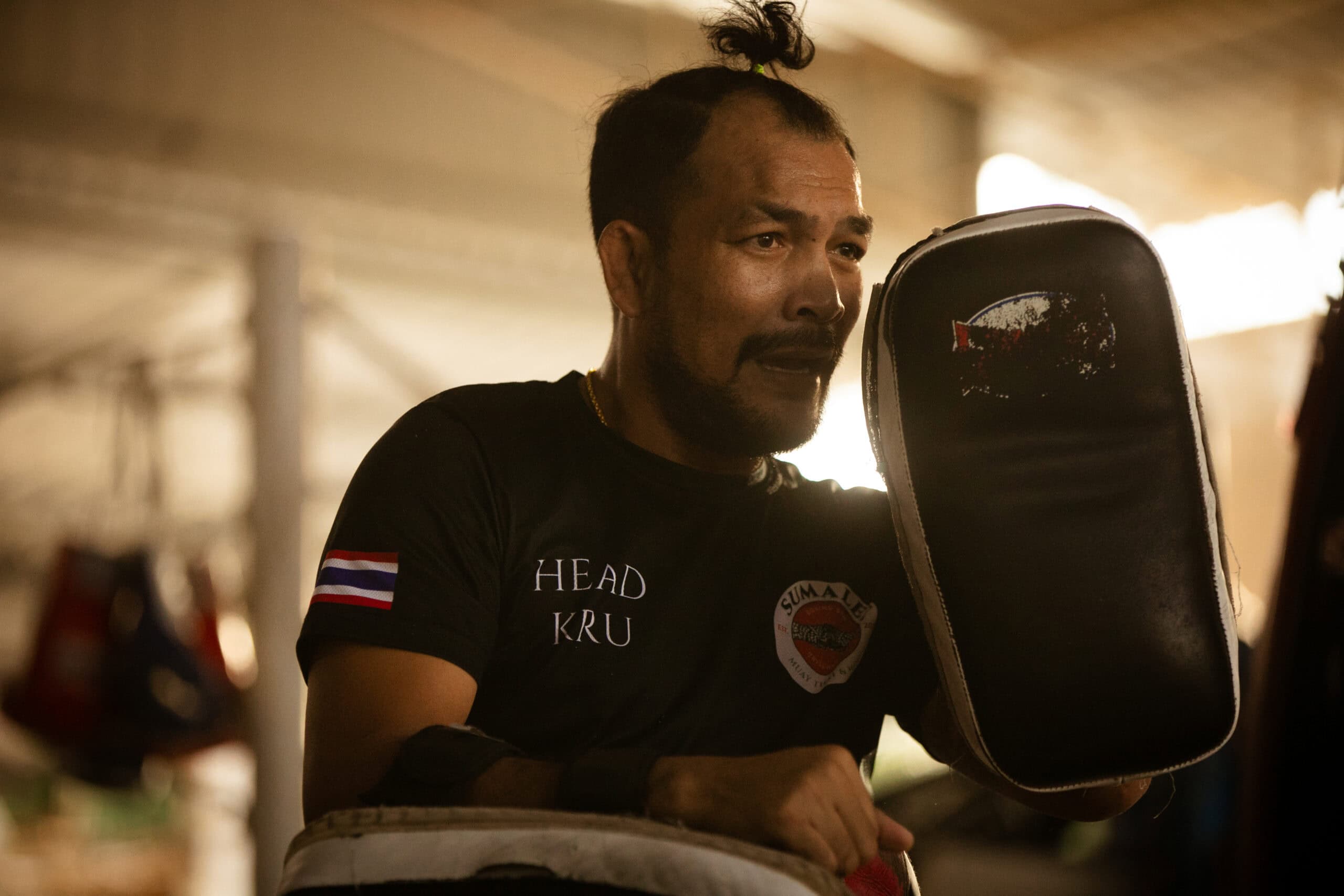
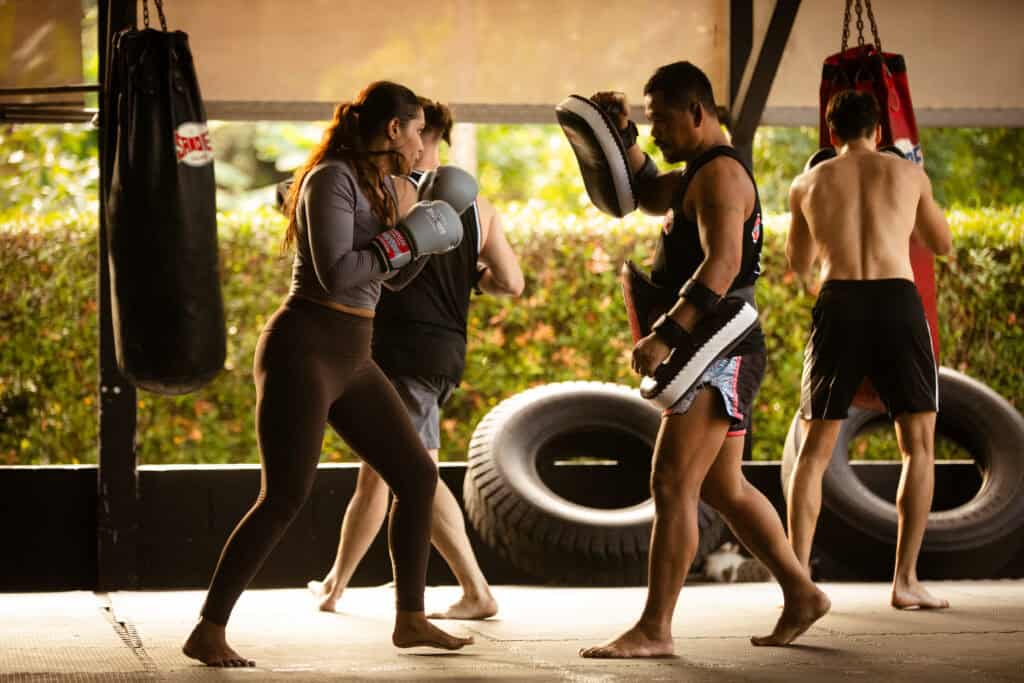
Gyms here are active, full-time training environments, not fitness studios that happen to offer pad work.
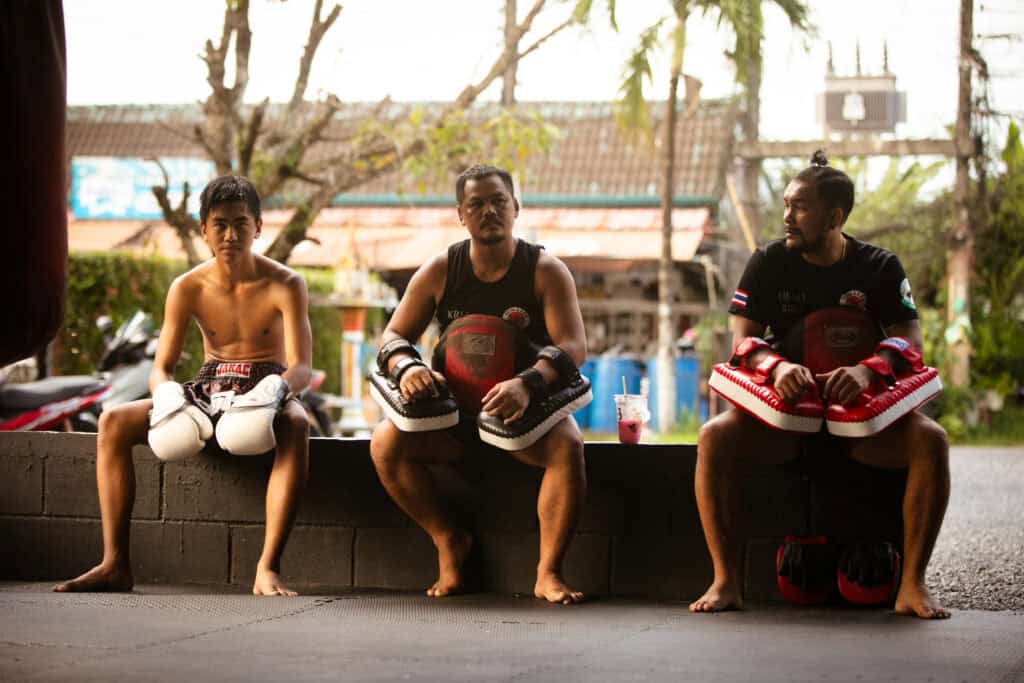
You’re training alongside:
- Fighters preparing for bouts
- Long-term expats who’ve built their lives around the sport
- Beginners who came for a week and stayed for a month… or a year
That mix matters. It creates an environment where:
- Standards stay high
- Coaches take training seriously
- Progress is expected, not optional
You don’t “try Muay Thai” in Phuket.
You train Muay Thai.
2. Phuket Offers the Best Balance of Intensity and Sustainability
Bangkok is brutal.
Chiang Mai is traditional.
Phuket is… sustainable.
That’s a big reason people choose it.
In Phuket, you can train hard enough to improve without:
- Running yourself into the ground
- Picking up avoidable injuries
- Burning out after two weeks
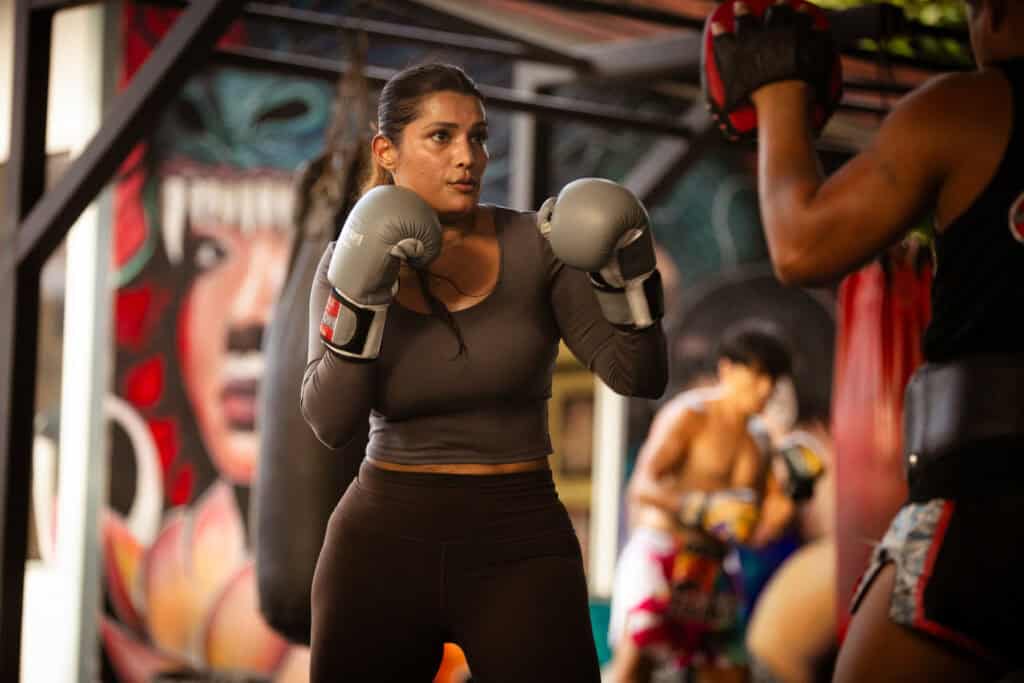
Most Muay Thai camps in Phuket offer:
- 1–2 structured sessions per day
- Pad work, bag work, sparring, and conditioning
- Optional extras like clinch sessions, roadwork, or strength training
But crucially, you also have access to:
- Proper recovery
- Quality food
- Sleep
- Mobility and flexibility work
This balance is why people actually stick with their training.
3. World-Class Coaching at a Fraction of Western Costs
One of the biggest shocks for first-timers?
The value.
In many Western countries, you’ll pay premium prices for:
- Group classes with minimal coaching
- Instructors who trained about Muay Thai, not in it
In Phuket, you’re often learning from:
- Former stadium fighters
- Coaches with decades of experience
- Trainers who’ve produced real fighters — not just certificates
And the cost?
- Group classes: a few hundred baht
- Private sessions: accessible enough to train consistently
This allows you to:
- Train more frequently
- Get more hands-on coaching
- Progress faster than you would at home
Consistent access to experienced coaches — especially in small-group settings — is where most people see the biggest jump in skill.

4. Phuket Is Built for Training Holidays
Muay Thai training holidays aren’t just about what happens in the gym.
They’re about everything outside of it.
Phuket works because it’s easy:
- Accommodation near gyms
- Healthy food options everywhere
- Massage and recovery services on every street
- Reliable transport and infrastructure
You don’t waste energy figuring out logistics.
You use it to train.
This is especially important for:
- Beginners
- Busy professionals
- People combining training with work or travel
You can drop into a routine quickly — and routines are where progress happens.
5. Recovery Is Where Phuket Quietly Wins
Most people underestimate this part.
Muay Thai is demanding:
- Shins
- Hips
- Knees
- Shoulders
- Nervous system
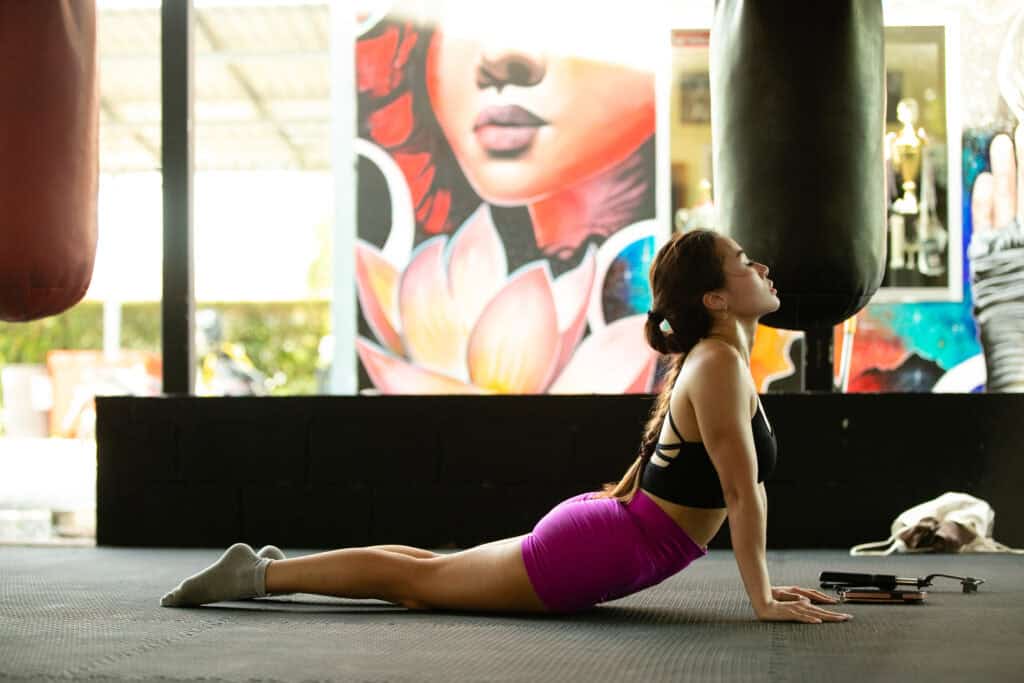
In Phuket, recovery isn’t an afterthought — it’s built into the lifestyle.
You have access to:
- Sports massage
- Ice baths
- Stretching and mobility sessions
- Yoga specifically designed to complement Muay Thai
This is why many fighters and long-term trainees in Phuket stay injury-free longer than expected.
They’re not training less.
They’re recovering better.
6. Yoga + Muay Thai: A Game-Changer for Longevity
This deserves its own mention.
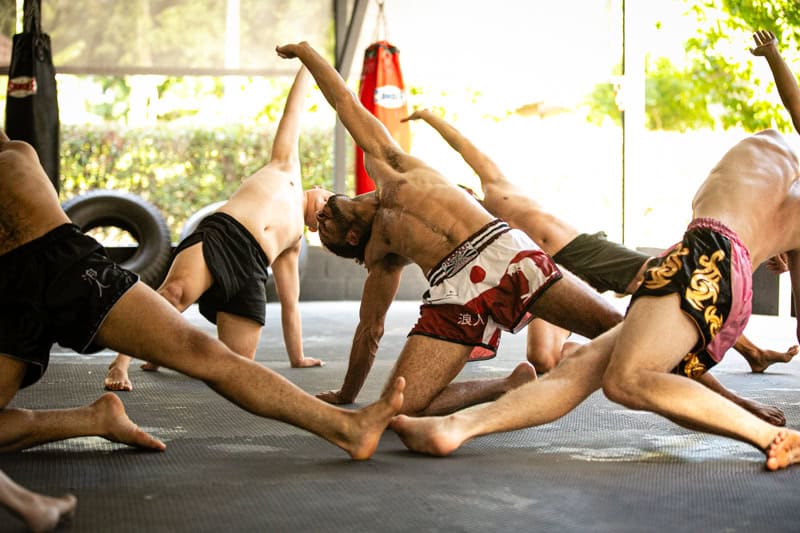
More gyms in Phuket are integrating yoga and mobility work into Muay Thai programs — and for good reason.
Yoga helps with:
- Hip mobility
- Thoracic spine rotation
- Balance and control
- Breath regulation under fatigue
For Muay Thai practitioners, this translates to:
- Better kicks
- More efficient movement
- Faster recovery between sessions
- Fewer overuse injuries
Phuket is one of the few places where Muay Thai and yoga coexist naturally, rather than feeling like separate worlds.
More experienced trainees eventually realise that longevity matters more than intensity. Integrating yoga into Muay Thai training isn’t about slowing down — it’s about staying in the game.
7. Phuket Works for Beginners and Fighters
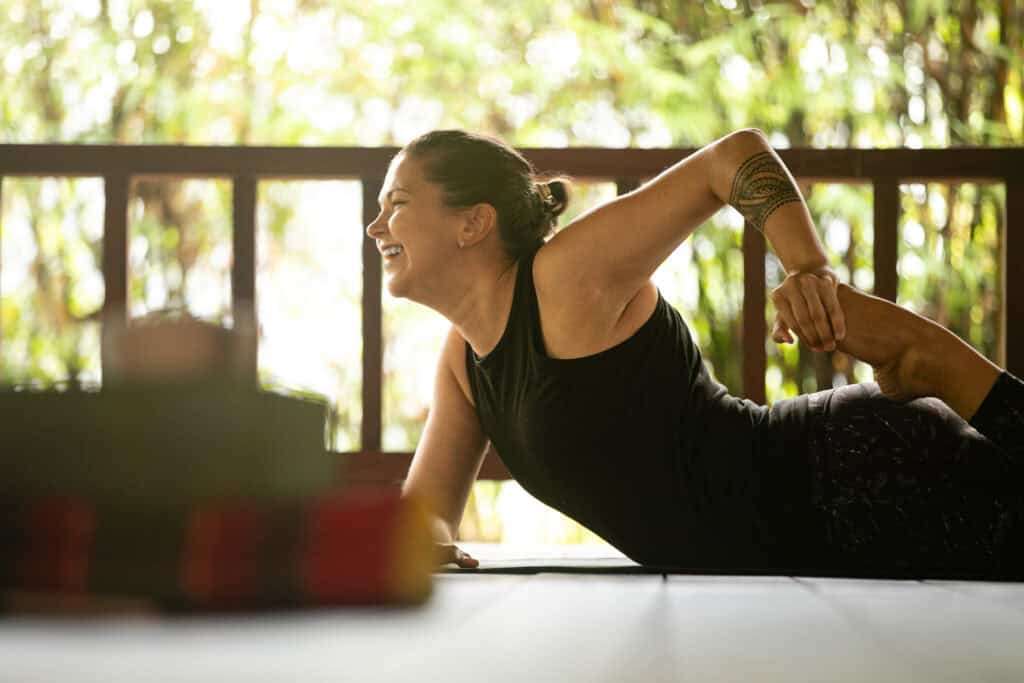
Another reason Phuket stands out is its range.
Whether you are:
- A total beginner
- Someone returning after years away
- Training for a first fight
- Looking to sharpen existing skills
There are Muay Thai camps in Phuket that fit.
Good gyms structure classes so:
- Beginners aren’t overwhelmed
- Fighters aren’t held back
- Everyone progresses at their level
This is harder to find than people think — and it’s one of Phuket’s biggest strengths.
8. What to Look for in a Muay Thai Gym in Phuket
Not all gyms are equal.
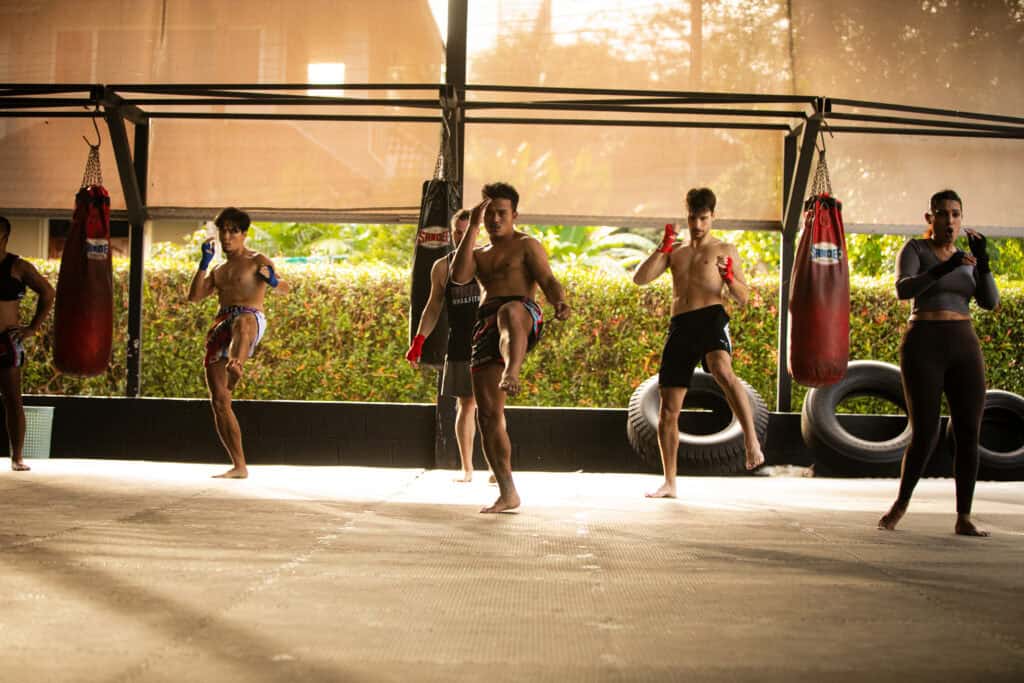
Before choosing where to train, look for:
- Reasonable class sizes
- Coaches who correct, not just shout
- A focus on technique, not just conditioning
- Attention to recovery and injury prevention
- A supportive training culture
The best gyms aren’t the loudest or flashiest.
They’re the ones people quietly return to.
Final Thoughts: Why People Come for a Week and Stay for Months
Phuket doesn’t just offer Muay Thai training.
It offers a lifestyle that supports training.
You train hard.
You recover properly.
You eat well.
You sleep.
You repeat.
That’s why so many people come to Phuket planning to “give Muay Thai a try” — and leave having fundamentally changed how they train, move, and think about their bodies.
If your goal is real progress — not just a box tick — it’s hard to beat.
Thinking About Training in Phuket?
If you’re considering Muay Thai training in Phuket, look for a gym that:
-
Prioritises technique over ego
-
Balances hard training with proper recovery
-
Supports long-term progress, not just short-term exhaustion